If your home still has galvanized steel pipes, you’re living with a ticking plumbing clock. Some systems limp along for decades, then fail in a messy week of leaks, rusty water, and surprise shutdowns. Others crumble overnight after a pressure surge or a DIY renovation nick. I’ve cut into enough corroded lines to know the drill: what looks fine from the outside often hides a tunnel of scale so tight a pencil can barely pass through it. This guide answers the questions homeowners bring to me before a full repipe. It’s frank, field-tested, and intended to help you make smart decisions without buyer’s remorse.
What galvanized piping is and why it fails
Galvanized steel pipe is steel coated in zinc. The zinc is meant to slow corrosion, not stop it. Once the zinc barrier breaks down, steel reacts with oxygen and water, forming rust. Add dissolved minerals from your local water supply and you get interior scale. Over 30 to 80 years, depending on water chemistry and usage, the pipe’s internal diameter shrinks, pressure drops on upper floors, and brown water shows up after vacations or shutoffs. Joints suffer first, then elbows. Hot lines fail faster than cold, and horizontal runs under floors corrode faster than vertical risers.
I’ve pulled sections out of 1950s houses that weighed three times their original mass because they were filled with iron buildup. Those lines can still “work,” but at a fraction of intended flow. If you see one symptom, you likely have others waiting in the walls.
Signs you’re ready for a repipe
Look for a cluster of clues. One symptom alone doesn’t force the issue, but three or more points to a system past its service life.
- Persistent low pressure, especially at the farthest fixtures or on the second story. Discolored or metallic-tasting water, particularly after the water has been off, then back on. Pinholes or leaks at threaded joints, often showing as subtle stains on ceilings below bathrooms. Frequent faucet or appliance clogging from flaking rust buildup. Visible galvanized stubs at hose bibs, water heater connections, or under sinks, combined with unknowns in the walls.
If your home is pre-1970 and you can see even a few galvanized runs, assume there’s more buried. Mix-and-match systems are common: copper stubs were sometimes added during a kitchen remodel while the rest remained galvanized. Don’t let a shiny new faucet fool you.
Will a partial replacement help or hurt?
This question comes up daily. It’s tempting to replace only the obvious bad sections, especially when budget is tight. Here’s the honest math. Every new run you connect to old galvanized becomes a strainer, catching scale that breaks loose upstream. I’ve had calls where a new PEX main line fixed the pressure for a week, then the homeowner lost hot water flow because flakes clogged the water heater inlet. If you absolutely need to stage the work, choose priority zones: main service to the water heater and kitchen first, then bathrooms stacked on a common wall, then laundry and hose bibs. Any staged plan benefits from installed isolation valves so you can divide the system without repeated shutdowns.
There are cases where a targeted repair makes sense. If you have a single, confirmed leak in an accessible basement run, replacing that section buys time. But repeated band-aids usually cost more than a planned repipe when you tally drywall repairs and emergency visits.
How long does a repipe take?
For a single-family home between 1,200 and 2,200 square feet with two bathrooms, a skilled crew typically needs two to five working days for the piping, plus one to three days for patching and paint if the same company handles finishes. Older homes with plaster, lathe, multiple additions, or slab foundations stretch the timeline. Multi-story condos introduce permitting and neighbor coordination that can double the calendar even if the on-site work is quick.
Good scheduling matters. We often run piping on day one and two, swap the main and water heater connections at the end of day two, and perform fixture tie-ins on day three. That usually leaves you with water back on each night, sometimes with brief shutoffs in the late afternoon. Ask your contractor about their daily water-restoration plan, especially if anyone in the home needs reliable access.
How much does a repipe cost?
Regional labor rates, layout complexity, finish materials, and permit requirements put a wide range on this work. I’ve seen straightforward two-bath bungalows repiped for 5,500 to 9,500 dollars using PEX with partial wall patches. Larger homes with three-plus baths and high-end finishes often land between 12,000 and 25,000 dollars. Full copper systems come in higher, sometimes 30 to 60 percent more than PEX in the same home, driven by material cost and labor time. If you’re on a slab and need overhead reroutes or new chases, add both time and cost.
Warranties matter when comparing bids. A low number without a workmanship warranty or a water-quality clause can backfire. Galvanized replacement is a one-time job when it’s done right. It shouldn’t be your cheapest project; it should be your most durable.
Which pipe material is best: PEX, copper, or CPVC?
There is no single winner. The right choice depends on water chemistry, local code, budget, and access.
PEX: Cross-linked polyethylene has become the go-to for Repipe Plumbing because it’s flexible, resists scale, and installs quickly with fewer fittings. That flexibility allows sweeping turns through joists and walls, which means fewer potential leak points. PEX handles freezing better than copper, though no pipe is freeze-proof. The caveats: it must be protected from UV, it can be damaged by rodents in rare cases, and it needs proper support to avoid noise from thermal expansion. Use an oxygen-barrier type only where required for hydronic systems; for domestic water, non-barrier PEX is standard. Ensure the brand and fitting system (expansion vs crimp) matches your local plumbers’ experience and readily available parts.
Copper: Type L copper is proven and can last decades in neutral water. It tolerates heat and UV, and it’s quiet inside walls. But aggressive water with low pH or high chloramines can pit copper, leading to pinholes. Soldering in tight, combustible spaces requires care and sometimes permits hot-work precautions. Copper shines where lines are exposed, such as mechanical rooms, where aesthetics and durability matter. It also holds straight runs well, which can keep walls flatter during patching.
CPVC: Chlorinated PVC offers good corrosion resistance at a lower cost than copper. It glues together with solvent cement and needs exact curing times. Over-torqued fittings crack, and older CPVC formulations can become brittle with age or high heat. I specify CPVC sparingly, usually for short tie-ins or when code or HOA rules constrain PEX and copper options. In colder climates, its brittleness makes me cautious.
Hybrid systems are common. For example, PEX home runs to a central manifold, with copper stubs at the water heater and exterior hose bibs for durability. A thoughtful hybrid respects code, controls noise, and keeps repair parts standard.
What about lead risks in galvanized systems?
Galvanized pipes can accumulate lead on interior surfaces when lead was present upstream, such as from old service lines or brass fixtures containing leaded alloys. When scale flakes off, trapped lead can enter your water. If your home predates the mid-1980s, or you live in an area that once had lead service lines, consider a water lead test before and after repiping. Replacing galvanized lines significantly reduces this reservoir effect, but if the municipal service line remains lead or partial lead, discuss replacement with your utility. After a repipe, flushing and a new cartridge filter help purge residual particulates.
Do you need a whole-house filter or softener after repiping?
This depends on your water quality. If you have hard water above 10 grains per gallon, a softener reduces scale in heaters and fixtures, extending life. For moderately hard water, a dual-tank softener with a metered valve saves salt and water compared to timer-based systems. If you dislike the feel of softened water, consider a scale-reducing media instead.
For taste and chlorine/chloramine reduction, a whole-house carbon filter paired with point-of-use filtration at the kitchen gives broad coverage. If your city uses chloramines, choose catalytic carbon. Place filters where service is easy and include bypass valves. Filters don’t fix corroded pipes, but they’re a smart add-on to protect your investment after the repipe.
How much drywall gets opened?
With PEX home-run systems, we can snake lines through existing cavities, using existing chases, closets, and soffits. That keeps holes smaller and fewer. Expect hand-sized access at each fixture, plus openings at vertical stacks and key transitions. If you have plaster and lathe, cuts take longer and patching takes more skill to avoid telegraphing. In homes with copper repipes, we often need longer trenches because rigid pipe won’t curve around obstacles. Good crews protect floors, bag debris, and vacuum daily. Don’t settle for a contractor who promises “no holes.” They either plan to surface-mount exposed pipe or aren’t being straight with you.
Can you stay in the house during a repipe?
Most families do, and most should. Repipe Plumbing teams that stage the work carefully can keep cold water available at least part of each day, bringing both hot and cold online by evenings. Expect a few hours without water when main tie-ins happen. If the idea of shutoffs, dust, and ladders in your hallway stresses you out, plan a couple of nights away during the heaviest work, then return for punch list and patching.
Pets need planning. Noise and open walls create escape routes. Set up a closed room with their food and bed, and warn the crew. Fish tanks and delicate electronics should be covered and kept away from traffic.
What permits and inspections are required?
Most jurisdictions require a plumbing permit for a repipe, sometimes separate permits for water heater updates, seismic strapping, and shutoff valves. Expect at least one rough inspection before walls are closed, and a final after patching. If your existing system lacks code-mandated features like main shutoff accessibility, thermal expansion control, or properly vented water heaters, your contractor should bring them up to code as part of the job. This is not upselling; inspectors will flag missing safety components.
If your home sits in a historic district or a multi-unit building, there may be extra steps. I’ve had to schedule water shutdown windows with HOAs, post notices 48 hours in advance, and coordinate with city valves when property-side shutoffs were frozen. Ask your plumber early about their plan and timeline for inspections.
What happens to the water heater and fixtures?
A good repipe includes a full evaluation of tie-ins, shutoffs, and flex connectors. Many old galvanized systems feed top-in water heaters through rigid nipples that crumble when touched. We usually replace the dielectric nipples, add new flex connectors, and verify that the heater has a dedicated shutoff, drip https://sites.google.com/view/principledplumbing/blog/the-benefits-of-professional-repipe-plumbing-solutions leg where required, and expansion tank if the system is closed. If your heater is past 10 years or showing rust at the base, replacing it during the repipe can save labor and redundancy.
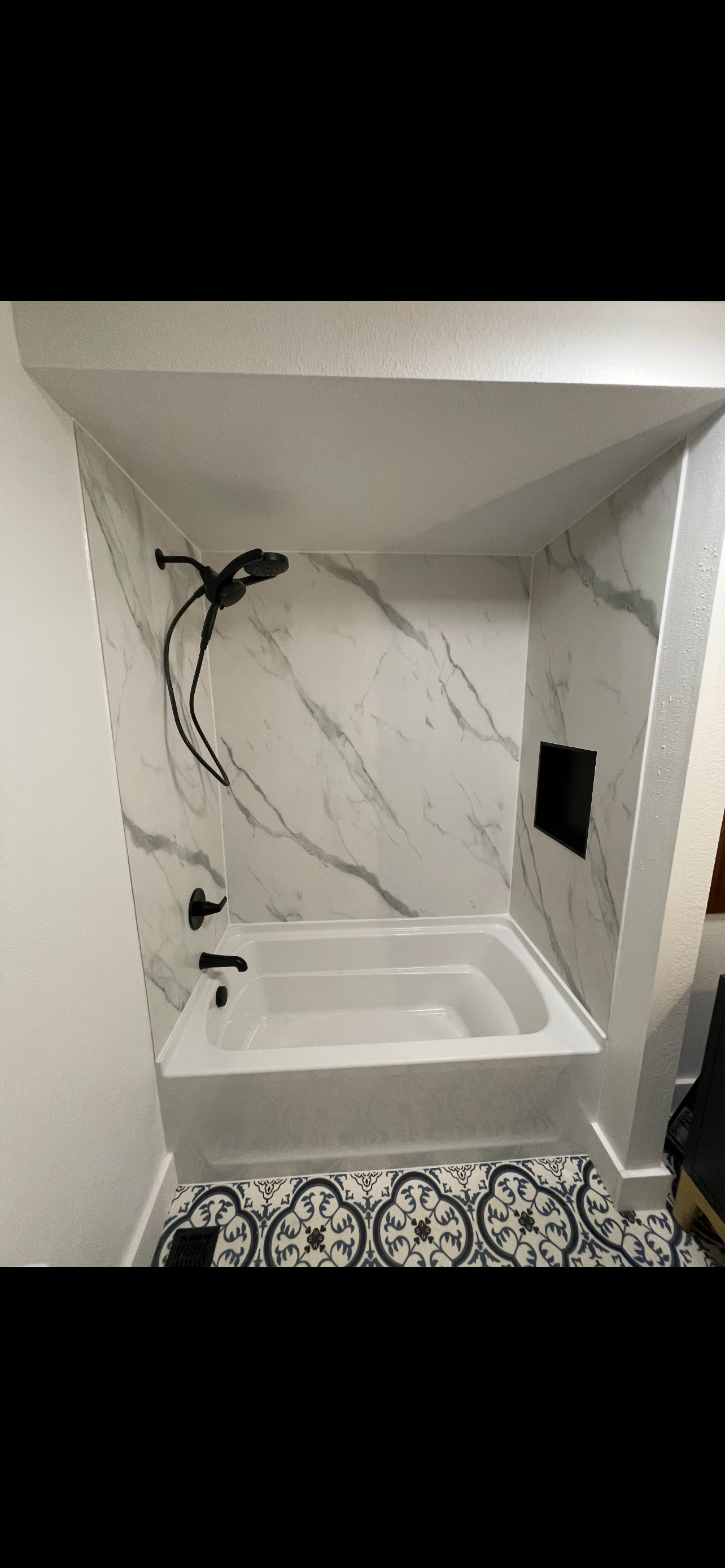
Fixtures tell their Repipe Plumbing own story. Old angle stops that freeze shut, corroded supply lines, and aerators full of scale won’t magically improve with new piping. I budget for new stops and braided supplies unless they’re already modern. If you’ve been thinking about new faucets or a low-flow shower head with strong performance, the repipe is the time to do it. Better to make holes once.
Will water pressure improve right away?
Usually, yes. On the day we cut over, most homeowners notice stronger, more consistent flow at showers and faster filling of tubs and washers. Pressure and flow are different, though. Your static pressure is set by the city main or your pressure-reducing valve. Flow is what you feel, and it depends on pipe diameter, friction loss, and fixture restrictions. If your city pressure is very high, we’ll install or adjust a pressure-reducing valve for longevity and comfort. If it’s low, we can’t create pressure out of thin air, but larger, clean lines deliver more usable flow.
Some sputtering and discoloration can happen during the first few days as trapped air and harmless fines flush out. Open cold lines first, then hot, and let them run for a few minutes. Remove faucet aerators to clear any debris that slipped past.
How to choose a repipe contractor without regrets
Ignore glossy flyers promising miracle coatings inside old pipes. Interior epoxy linings for potable water have niche uses, but they rely on meticulous prep and can fail at transitions or throttle flow further. For whole-house residential systems, replacement is the durable fix.
When vetting contractors, I look for four things:
- Specific repipe experience, with photos or addresses (with permission) from similar homes. A written scope that lists materials by brand, fitting type, valve types, and whether they include patching and paint. Clear warranty terms for both materials and workmanship, and how they handle call-backs. A plan for daily water restoration, dust control, and communication, including a single point of contact.
If a bid feels vague, ask for line items. If someone proposes PEX but won’t specify A, B, or C tubing or the fitting system, press harder. Compatibility matters if you ever need repairs.
Special cases: slabs, crawl spaces, and mixed-metal nightmares
Slab homes: Abandon in-slab lines and reroute overhead through attics or soffits. Insulate hot lines well and avoid running pipe perpendicular across truss chord penetrations without proper protection. Firestopping at penetrations is not optional.
Crawl spaces: They’re friendly for access, but moisture and rodents demand robust strapping, sleeving, and sometimes copper for exposed sections. Any line vulnerable to freezing needs insulation and thoughtful routing.
Mixed-metal systems: Galvanic corrosion happens where dissimilar metals meet, especially if cheap dielectric unions fail. During a repipe, we eliminate mixed-metal joints where possible and use proper dielectric fittings when transitions are necessary. Those oddball half-updated homes are where most mystery leaks occur.
What a typical repipe day feels like
By 8 a.m., we’ve walked the house, confirmed fixture count, and laid floor protection from the front door to wet rooms. The team maps the new routes, marks stud bays, and starts opening small access points. If it’s a PEX manifold system, we pull home runs to each fixture, label them, and leave slack for clean tie-ins. Copper stubs might go in at the water heater and hose bibs before we cut the main. Around midafternoon, we’re ready for the swap. We shut the water, cap the old galvanized mains, pressurize the new system, and watch the gauge. Any pressure drop gets isolated and fixed. With the test passed, we tie in, bleed air, and restore water to the kitchen and a bathroom before we leave. Debris is bagged and hauled, and the site is swept. Day two or three handles the rest, plus any required inspection.
The mess factor, honestly addressed
There will be dust, even with containment. A conscientious crew runs plastic zip walls for larger cuts, uses HEPA vacuums, and covers returns so your HVAC doesn’t inhale the day’s work. Expect to wipe surfaces after, and schedule patching and paint within a week if possible. If your painter is separate from the plumbing contractor, coordinate access and the sequence so your fixtures aren’t pulled twice.
Insurance and emergencies
Homeowners insurance sometimes covers sudden water damage but rarely pays for replacing old piping due to age. If a failure forces your hand, document the leak and the damage before cleanup. Keep failed sections if your adjuster wants proof of loss. When we encounter active leaks during demolition, we stop, photograph, and call you first, then proceed with emergency stabilization. This approach helps with claims, even if the policy ultimately limits coverage.
Water safety and post-repipe commissioning
Once the system is live, we flush cold lines until clear, then run hot water to exchange the full volume in the heater. If your home has been vacant or if you have immune-compromised occupants, discuss a shock chlorination or heater pasteurization cycle. Replace or clean aerators and shower heads after the first week. Take note of any odd noises, especially banging on shutoff, which can signal loose supports or missing arrestors at fast-closing appliances.
Label the manifold if you have one. Future you will thank current you when a toilet runs at midnight and you can isolate that bathroom without waking the whole house.
Budget smart: where to save and where not to
You can control costs without compromising safety. Choosing PEX over copper for concealed runs saves both time and money. Combining the repipe with a planned bathroom remodel can reduce duplicate patching. But don’t skimp on valves, supports, or proper firestopping. Don’t accept off-brand fittings that your town’s supply houses don’t stock. And don’t waive permits to shave a week. The big dollars in plumbing come from failure, not from doing it right the first time.
A quick homeowner readiness checklist
- Confirm material choices and fitting systems in writing, plus any hybrids at the heater or exterior. Pin down the daily water-restoration plan and expected shutoff windows. Decide who patches and paints, and when. Clear access to sinks, vanities, closets with access panels, and the water heater. Store breakables. Ask about warranties, inspection scheduling, and final walkthrough expectations.
Final word from the field
Replacing galvanized pipes is one of the highest-impact upgrades you can make to an older home. It removes a hidden risk, improves daily comfort, and safeguards your finishes and floors from the next “surprise.” It takes skill to route new lines cleanly with minimal surgery to the structure, and it takes judgment to choose materials that fit your water and your budget. Get two or three detailed bids, ask hard questions about scope and sequencing, and favor teams that do repipes often. When the water comes back on strong and clear, with solid shutoffs at every fixture and a tidy mechanical room that makes sense, you’ll know you hired the right crew.
Business Name: Principled Plumbing LLC Address: Oregon City, OR 97045 About Business: Principled Plumbing: Honest Plumbing Done Right, Since 2024 Serving Clackamas, Multnomah, Washington, Marion, and Yamhill counties since 2024, Principled Plumbing installs and repairs water heaters (tank & tankless), fixes pipes/leaks/drains (including trenchless sewer), and installs fixtures/appliances. We support remodels, new construction, sump pumps, and filtration systems. Emergency plumbing available—fast, honest, and code-compliant. Trust us for upfront pricing and expert plumbing service every time! Website: https://principledplumbing.com/ Phone: (503) 919-7243